
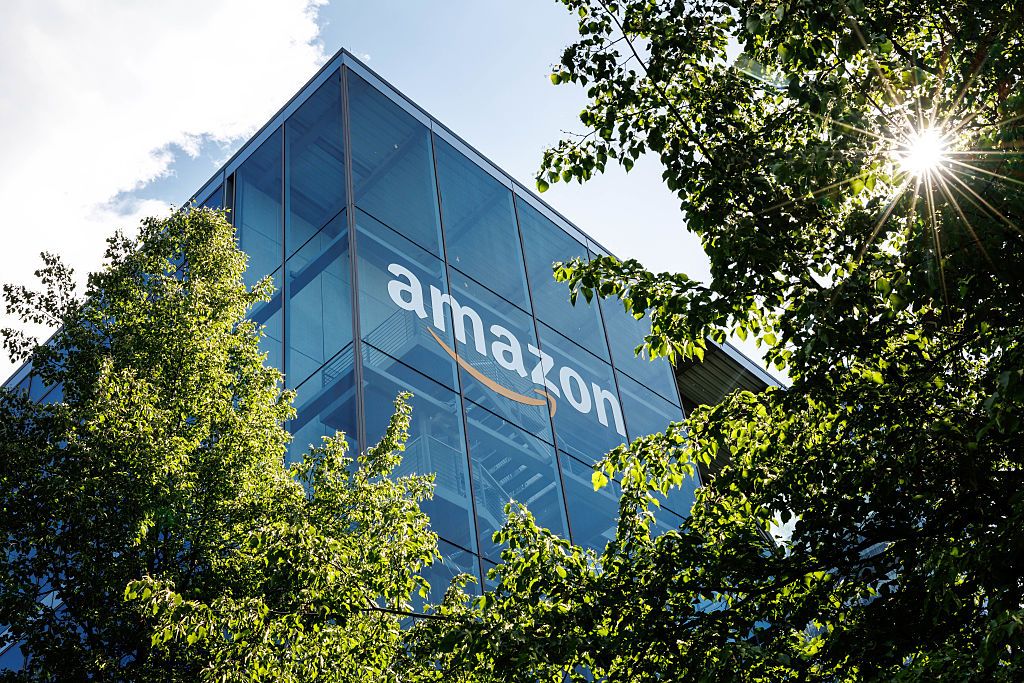
Amazon is facing a new lawsuit from the Federal Trade Commission (FTC) and 22 states, which accuse the company of secretly charging businesses more for advertising on its platform.
The lawsuit, filed Monday, claims Amazon spent more than seven years quietly increasing the prices advertisers paid through its online ad auctions. According to the complaint, the alleged practice affected more than one million brands and sellers and may have generated tens of billions of dollars in additional revenue for Amazon.
The 22 states joining the FTC are Alaska, Arizona, California, Colorado, Florida, Idaho, Illinois, Indiana, Iowa, Kentucky, Louisiana, Maryland, Nebraska, New Jersey, New York, North Carolina, Oklahoma, Pennsylvania, Rhode Island, South Carolina, Vermont, and Washington.
The lawsuit centers on Amazon’s Sponsored Products ads, Sponsored Brands ads, and Display ads that run alongside its search results. According to the FTC, Amazon told more than 500,000 small and medium-sized businesses that it ran a “second-price” auction where the winning advertiser would pay just one cent more than the next-highest bid, rather than the full amount of their own bid. Because businesses believed they’d only ever pay slightly more than the runner-up, they had an incentive to bid high, trusting the system would keep their actual costs in check.
But the FTC alleges that starting in 2019, Amazon made a “surreptitious” change without telling advertisers. It added a hidden surcharge that Amazon internally called a “soft reserve price,” and used what one internal document called an “invented auction participant” — a fake bidder, basically — to push prices higher than true competition would have produced. The complaint alleges this amounted to a shill bid: rather than the price coming from a real competing advertiser, Amazon itself was manufacturing a higher number for advertisers to beat. As a result, the FTC claims Amazon charged Sponsored Products advertisers their own full winning bid close to 80% of the time — effectively turning what was marketed as a second-price auction into a first-price one.
The FTC claims Amazon made this change because it wanted more advertising revenue, and kept it hidden because disclosing it could have led advertisers to lower their bids, which would have cut into that revenue.
The company generated more than $68 billion in advertising revenue last year.
In a blog post, Amazon described the FTC’s lawsuit as “misguided,” arguing that the complaint “fundamentally misunderstands how advertisers operate.”
The company added that its auctions evaluate billions of bids across different placements and formats, so prices naturally vary, and advertisers are “properly” informed about the pricing system.
When you purchase through links in our articles, we may earn a small commission. This doesn’t affect our editorial independence.
