
Key Takeaways
- Michael Selig and Travis Hill have been confirmed to head key US financial regulators.
- The CFTC and FDIC are shifting their approach to digital assets and bank regulations.
Share this article
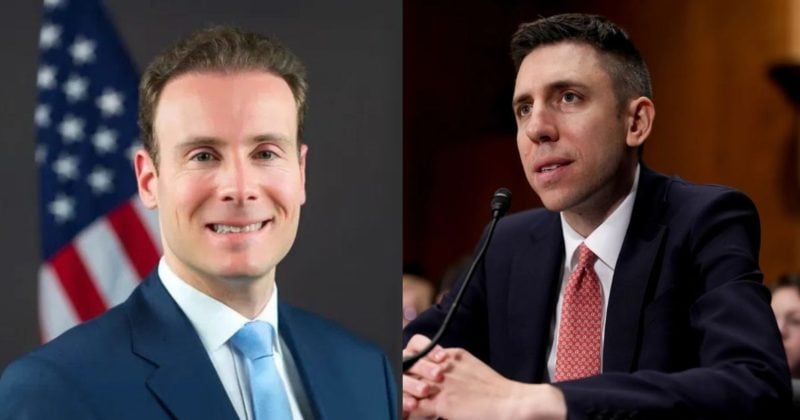
Lawmakers voted late Thursday to confirm Michael Selig as the new chair of the Commodity Futures Trading Commission (CFTC) and Travis Hill as chair of the Federal Deposit Insurance Corp. (FDIC).
Both appointees have taken pro-crypto positions and have advocated for regulatory clarity and innovation in digital assets. Selig, in particular, is known for voicing support for XRP during the SEC’s legal case against Ripple Labs, emphasizing that XRP and other digital tokens should not automatically be treated as securities.
The CFTC, historically responsible for overseeing derivatives and swaps, stands on the verge of a broader mandate as Congress considers legislation that would extend its authority into digital asset markets.
Over the past year, the agency has taken steps to integrate crypto into its regulatory framework, including approving spot crypto trading on futures exchanges and opening doors for certain overseas platforms to offer derivatives in the US.
Selig has already played a key role in shaping crypto policy as chief counsel to the SEC’s crypto task force during President Trump’s second term and is expected to advance coordination between the SEC and CFTC.
Before joining the government, Selig worked at Willkie Farr & Gallagher, representing crypto clients such as eToro and Paradigm, according to his disclosures.
The CFTC’s commission had been reduced largely to acting chair Caroline Pham, who is expected to depart for a role at crypto payments firm MoonPay after Selig assumes the chairmanship.
Meanwhile, the Senate confirmed Hill to lead the FDIC. Since joining the board in 2023 and serving as interim chair, Hill has moved to relax capital rules, eliminate reputation risk from exams, and soften the agency’s posture toward crypto-related banking risks.
Hill has said his agenda includes unwinding several Biden administration initiatives, including proposed restrictions on brokered deposits introduced in response to the 2023 bank failures.
This is a developing story.
